
Rolling papers in Canada, province by province: age and retail (2026)
Papers are tobacco products under federal law with a floor of 18. Most provinces set 19, PEI 21. The 13-row table, the accessory test and packaging.
- Published
- Updated
- Reading time
- 6 min read
- Author
- Skins
Note in English
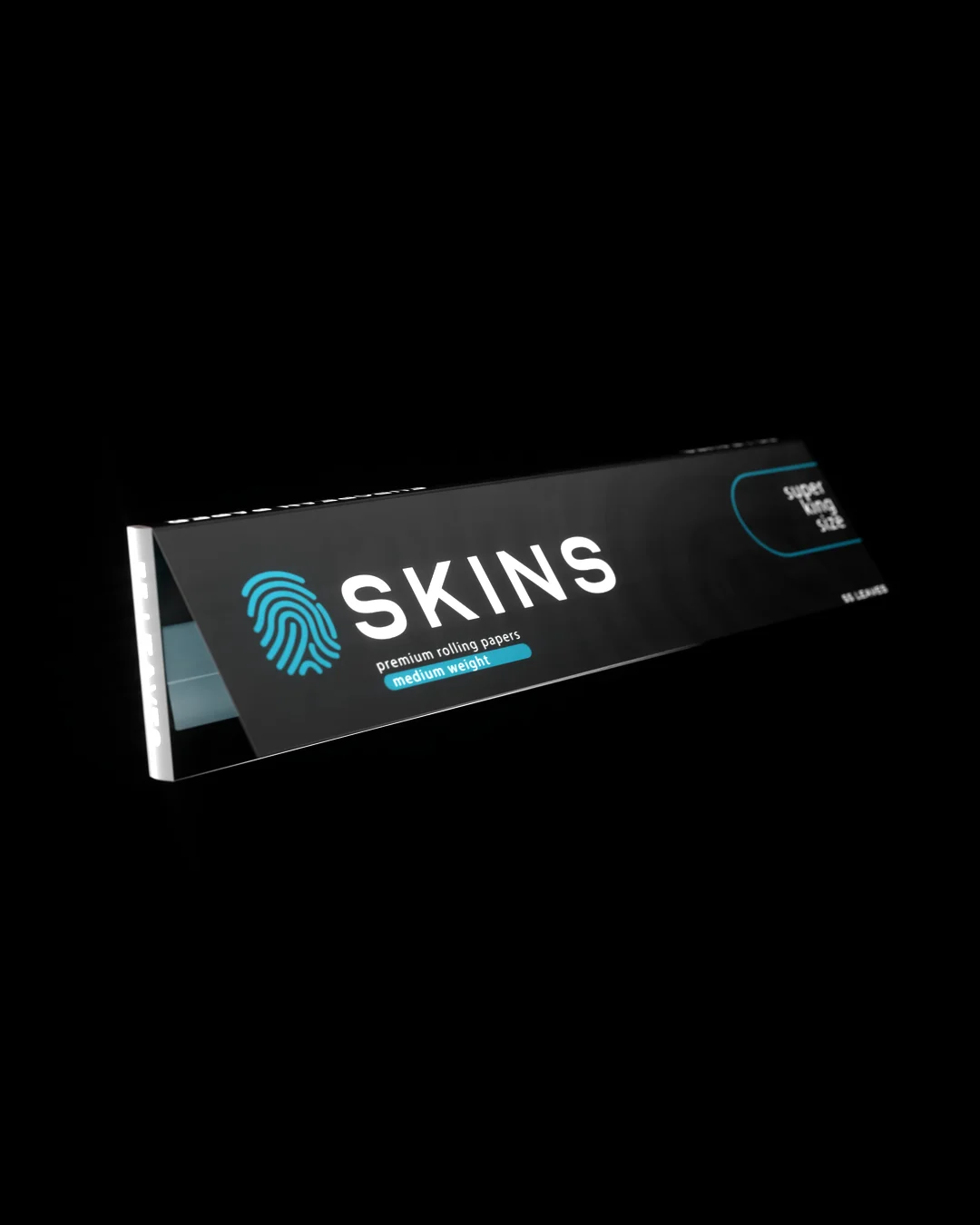
Canada is the launch market where a rolling paper's legal identity is most clearly defined, and where it matters most what a brand says about it. This note sets out the federal position, then the province-by-province table for age and retail, then the one test every Canadian channel has to pass. Rolling papers are a tobacco accessory. Skins sells papers only and makes no claims about cannabis. The note is information verified on 5 September 2026, not legal advice; confirm with counsel before acting on it.
Federal law: papers are tobacco products
Section 2 of the Tobacco and Vaping Products Act defines a tobacco product to include "papers, tubes and filters intended for use with" a tobacco product. Skins' research rates this high confidence. Two consequences follow. First, section 8 of the Act makes it an offence to furnish a tobacco product to a young person, which sets a national floor of 18. Second, the Act's promotion rules in sections 19 to 31 apply to papers: no lifestyle advertising, no testimonials, no depiction of people or characters, nothing appealing to young persons, no sponsorship, and information or brand-preference advertising only where young persons cannot access it.
Papers are not tobacco products for excise. The Excise Act, 2001 covers manufactured tobacco, raw leaf and cigars, so no federal duty and no excise stamp applies. At the border, heading 48.13 is free at the MFN rate and under the Canada-EU tariff, with 5 percent GST on the value for duty.
Province by province
Provinces raise the sale age above the federal floor and set their own retail rules. The table uses the papers sale age and site age gate from Skins' market data for each province and territory. The site gate is the age the Skins website applies for that province; it follows the higher of the tobacco and cannabis ages, on Health Canada's guidance that online promotion should sit behind reasonable age-verification steps.
| Province or territory | Papers sale age | Site gate | Retail note |
|---|---|---|---|
| Ontario | 19 | 19 | ID required from anyone appearing under 25; display and promotion restricted at retail |
| Quebec | 18 | 21 | Tobacco age 18, cannabis age 21; French-language packaging under the Charter of the French Language |
| British Columbia | 19 | 19 | Point-of-sale age signs required; display and promotion restricted |
| Alberta | 18 | 18 | ID from anyone appearing under 25; display restrictions |
| Saskatchewan | 19 | 19 | 19 is current; older references still show 18 |
| Manitoba | 18 | 19 | Tobacco age 18, cannabis age 19; site gates at 19 |
| New Brunswick | 19 | 19 | Tobacco hidden from sight at general retail |
| Nova Scotia | 19 | 19 | Products out of view unless the store is tobacco-only and bars minors |
| Prince Edward Island | 21 | 19 | Tobacco age 21; ID from anyone appearing under 30; fines up to 25,000 dollars |
| Newfoundland and Labrador | 19 | 19 | Giving or selling tobacco products to under-19s prohibited, including by family |
| Yukon | 19 | 19 | Display only in premises that exclude under-19s |
| Northwest Territories | 19 | 19 | ID from anyone appearing under 25 |
| Nunavut | 19 | 19 | No internet or home-delivery sales of tobacco products; retail at a permanent store only |
Two rows need a note. Prince Edward Island's tobacco sale age of 21 is higher than its cannabis age of 19, so the retailer applies 21 at the counter while the site gates at 19. Nunavut prohibits internet and home-delivery sales of tobacco products, which may capture papers; Skins routes territorial supply through licensed local retailers rather than direct to consumer, and counsel should confirm before any online offer to Nunavut. Confidence ratings for each province are on the Canada market page and the region pages.
The accessory test
The single most important line in Canadian law for a rolling-paper brand is in the Cannabis Act, section 2. A cannabis accessory is a thing, "including rolling papers or wraps", that is "represented to be used in the consumption of cannabis". If a paper is represented that way, or sold in a licensed cannabis store where the deeming rule applies, it stops being a tobacco product and becomes a cannabis accessory, and the Cannabis Act's promotion rules in sections 17 to 24 and packaging rules in section 26 apply instead.
In Canada a rolling paper is what it is represented to be. Skins is represented as a tobacco accessory, in every channel, and that is the whole strategy.
Both regimes prohibit lifestyle advertising, testimonials, depictions of people and anything appealing to young persons, so the creative rules are similar. What differs is the channel. As a tobacco accessory Skins can sit at general retail; as a cannabis accessory it could only be sold through licensed cannabis retail. Skins has chosen the first, which is why nothing on this site, on the pack or at the counter refers to cannabis except as factual legal information, and why the stock page enquiry asks about the channel.
Packaging points
Three packaging matters are open or specific to Canada, and Skins' research flags them as decisions for counsel rather than settled facts.
- Bilingual labelling. Product identity and net quantity must appear in English and French on the principal display panel under the Consumer Packaging and Labelling Act, as the Competition Bureau sets out. High confidence; straightforward.
- Plain packaging. On a plain reading of section 2(1) of the Tobacco Products Appearance, Packaging and Labelling Regulations, retail packs of papers sold as tobacco products are subject to the standardised-appearance rules, with papers exempted only from health warnings and toxicity information. Section 79 also requires paper intended for use with a tobacco product to be white with a matte finish. Skins rates this medium confidence and is seeking written confirmation from Health Canada before committing to teal-on-black packaging in the Canadian tobacco channel. This is the largest open question in the market.
- Quebec French. Every inscription on the product and packaging must be in French, with other languages permitted if not more prominent, under sections 51 and 51.1 of the Charter of the French Language as amended from 1 June 2025.
What a Canadian retailer needs
An age check at the provincial age, with ID from anyone who appears under 25 in most provinces and under 30 in PEI; display and promotion handled under the provincial tobacco rules; and a strict tobacco-accessory position in every conversation about the product. Skins supplies the technical sheet and trade terms through the stock page, and distributors are appointed through the partners page. The note on becoming a stockist or distributor covers the process, and the neighbouring position in the United States is the useful comparison: one age everywhere, and far less definition of what a paper is.
Questions
Before you ask.
01How old do you have to be to buy rolling papers in Canada?
It depends on the province. Federal law sets 18 as the floor. Most provinces and all three territories set 19 for tobacco products, which include papers; Alberta, Manitoba and Quebec set 18; Prince Edward Island sets 21.
02Are rolling papers a tobacco product in Canada?
Yes. Section 2 of the Tobacco and Vaping Products Act defines tobacco product to include papers, tubes and filters intended for use with a tobacco product. That is why the federal promotion rules and provincial retail rules apply to them. They are not tobacco products for excise, so no federal duty applies.
03Why does the Skins site gate at 19 in Manitoba when the tobacco age is 18?
Because the site gate follows the higher of the tobacco age and the cannabis age in each province, on Health Canada's expectation that online accessory promotion sits behind reasonable age-verification steps. Manitoba's cannabis age is 19; Quebec's is 21.
Sources
Where this comes from.
Sources checked on Sep 5, 2026. Legal notes are information, not advice; confirm with counsel before you act on them.
- 01Tobacco and Vaping Products Act (S.C. 1997, c. 13): s.2 tobacco product includes papers; s.8 furnishing to young persons; ss.19 to 31 promotion
- 02Cannabis Act (S.C. 2018, c. 16): s.2 definitions including cannabis accessory; ss.17 to 26 promotion and packaging
- 03Health Canada: Cannabis in the provinces and territories (minimum age, retail model)
- 04Tobacco Products Appearance, Packaging and Labelling Regulations (SOR/2019-107): s.2 application, s.79 papers, s.87 and s.99 exemptions
- 05Competition Bureau: prepackaged non-food consumer products, what must be on the label
- 06CBSA Customs Tariff 2026, Chapter 48 (heading 48.13 cigarette paper)
Related notes
Read next.
Law and ageUnited States
Rolling paper legal age by US state (2026): the wave-1 table
The answer is 21 everywhere: federal Tobacco 21, FDA's deeming rule and photo-ID under 30, with a table of the 23 states where Skins launches first.
5 min read
Law and ageUnited Kingdom
Rolling papers in the UK: age 18, the 2026 Act and what changes on 1 January 2027
Cigarette papers are age-restricted at 18 today. From 1 January 2027 the Tobacco and Vapes Act 2026 replaces that with a birth-date test. What changes.
6 min read
TradeAll markets
How to become a rolling-paper stockist or distributor
The two trade routes into Skins, what arrives within two working days, what a distributor receives, age-of-sale and import basics, and a checklist.
6 min read